
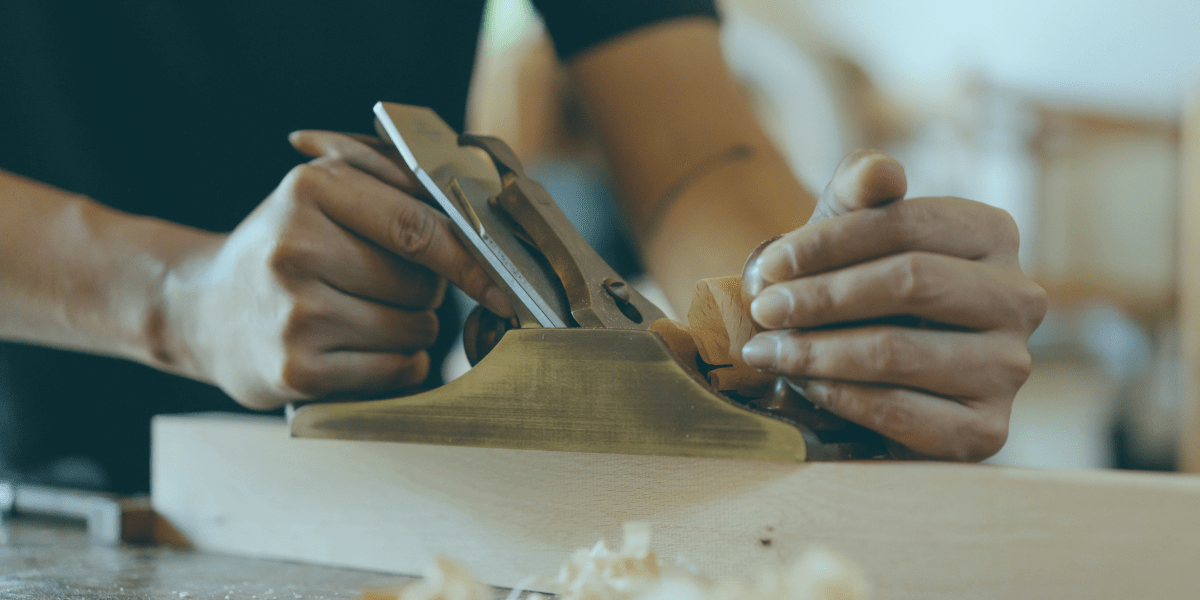
Woodworking is an ancient craft that has stood the test of time, continually evolving and adapting to the ever-changing demands of society. From exquisite furniture pieces to intricate carvings, woodworking is a testament to human ingenuity and creativity. But what truly sets this craft apart is the wealth of knowledge and expertise shared amongst its practitioners throughout history. From simple tools to complex machinery, woodworking patents have sparked a wave of ingenuity that has propelled the craft forward.
Let’s delve into the world of woodworking patents, exploring how they have shaped the craft and influenced generations of woodworkers.
A Quest for Efficiency
One of the themes that emerges from exploring woodworking patents is the pursuit of efficiency. Throughout history, woodworkers have grappled with the challenge of maximizing their output while minimizing their effort. This quest for efficiency is evident in the numerous patents for improved tools and machinery. Take, for example, the patent for a new type of saw blade with enhanced cutting capabilities. By inventing a blade that could cut through wood faster and with greater precision, this patent revolutionized the woodworking industry, allowing craftsmen to produce their work more efficiently.
The Pursuit of Novelty
Another theme that emerges from woodworking patents is the desire for novelty and distinction. Woodworkers, being a creative and inventive bunch, have always sought to set their work apart from the rest. This desire is seen in patents for unique joinery methods and decorative techniques. For instance, a patent for an intricate carving technique may not only protect the inventor’s design but also inspire other woodworkers to push the boundaries of their own creativity.
Blending Tradition with Innovation
Woodworking patents also shed light on the interplay between tradition and innovation. While the craft of woodworking has deep-rooted traditions that have been passed down through generations, patents have often challenged these conventions. Some woodworkers have used patents as a means to break away from tradition and introduce new methods and materials. This tension between tradition and innovation has shaped woodworking into the diverse and multifaceted craft that it is today.
Building Community
Moreover, woodworking patents have played a crucial role in fostering collaboration and the exchange of ideas within the woodworking community. When a woodworker files a patent, they not only protect their invention but also share it with the world. This act of sharing paves the way for further collaboration and improvement. Woodworkers can build upon existing patents, creating an ever-expanding network of innovation and knowledge.
Contact Larson & Larson to learn how we can help you apply for a patent to protect the unique tools of your craft.
Published by Larson & Larson, a Florida-based intellectual property law firm serving clients since 1987.