
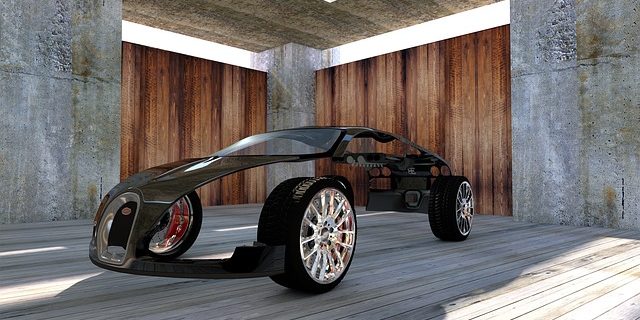
Many inventors face a common crossroads early on: whether they need a prototype before applying for a patent — or even need one at all. If you’re weighing that decision, it’s an important one. It affects cost, timing, and how confidently you can explain your invention during the patent application process. This article covers when a prototype helps, when it doesn’t, and how to choose the right approach for your situation.
If you want to learn patent application basics before you begin, check out this guide: Getting Started with Patents – A Guide for First-Time Filers.
What’s a Prototype, and Is It Required?
A prototype is a working model of your invention — anything from a simple 3D print to a functional, fully assembled version. It doesn’t need to be pretty or production-ready; it’s simply a tool for testing feasibility, identifying design issues, or demonstrating how the invention works.
The U.S. Patent and Trademark Office does not require a prototype to file for patent protection. As long as you can clearly describe the invention’s structure and function, you can apply without one.
When a Prototype Helps
That said, some inventions are easier to understand once you can physically interact with them. A prototype can help you catch design flaws, confirm that the idea works as intended, and communicate the concept to potential partners or manufacturers. It’s especially helpful when your invention involves movement, fit, or mechanical interaction — things that can be hard to evaluate on paper alone.
A prototype may be useful if:
You need to test how parts interact or move
You want early feedback from a potential partner or manufacturer
You’re unsure whether the design will function as expected
You expect hands-on testing to influence the final design
Prototyping is most valuable when the cost is manageable and you expect what you learn from building it to shape the version you ultimately protect.
When You Can Skip the Prototype (for Now)
On the other hand, many inventors don’t need a prototype before filing.
A prototype may add little value if your concept is simple, well-defined, or already illustrated clearly in drawings. In other words, if the invention is solid on paper and the prototype wouldn’t meaningfully change your understanding of it, there’s no requirement to build one before protecting it.
Prototyping takes time. Designing, testing, and revising can slow momentum at a stage when you may want to move quickly toward filing. Timing may also be an issue if you’re approaching any deadlines related to earlier disclosures. For example, if you’ve already shared your invention publicly, you must file a patent application within one year of that first disclosure. In those situations, delaying the filing to build a prototype is usually not worth the risk.
Prototypes can be costly. While some are inexpensive, others require materials, testing, or outside help that can add up quickly. If you’re unsure whether a prototype is necessary and the cost would stretch your budget, filing first is often the more practical option.
How to Make the Call
Consider whether building a prototype will genuinely improve your ability to explain the invention and whether the benefits justify the time and cost. Some inventors gain clarity from physical models; others don’t need them until much later. The decision is personal, but it should be practical — not based on pressure to create something polished before you’re ready.
A patent attorney can help you weigh the pros and cons for your specific invention, determine whether a prototype is necessary at this stage, and guide you through the full patent process, from drafting to submission. Reach out to Larson & Larson to take the next step in patenting your invention.
Published by Larson & Larson, a Florida-based intellectual property law firm protecting innovation since 1987.