
(Updated August 2025 for clarity and accuracy.)
In today’s competitive marketplace, the way a product looks can be just as important as what it does. Shoppers often recognize a brand not just by its name or logo, but by the overall design, packaging, or even the unique shape of the product itself. That’s where trade dress and product configuration come in. These forms of trademark protection help businesses safeguard the distinctive appearance of their products — but securing that protection isn’t always simple.
What Is Trade Dress?
Trade dress refers to the overall look and feel of a product or its packaging that signals to consumers where it comes from. This can include:
- Packaging design (like Tiffany & Co.’s blue boxes)
- Color schemes (like the red and yellow of a McDonald’s restaurant)
- Store layouts (like Apple’s sleek white retail spaces)
- Textures, shapes, or other visual design features
Trade dress is broad; it covers the combination of visual elements that make your product or brand recognizable.
What Is Product Configuration?
Product configuration is a type of trade dress that focuses specifically on the shape or design of the product itself, rather than its packaging.
Some well-known examples include:
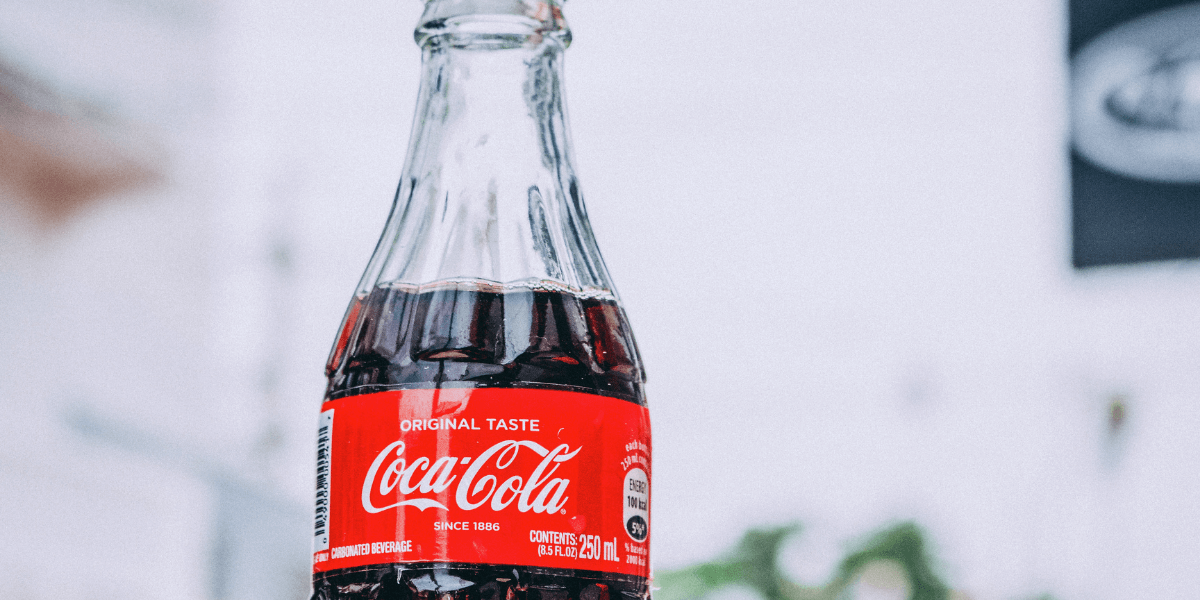
- The curvy Coca-Cola bottle silhouette
- The red soles of Christian Louboutin shoes
- The shape of a Hershey’s Kiss candy
For a product configuration to qualify for trademark protection, it must be:
- Distinctive – Unique enough for consumers to link it with a specific brand.
- Non-functional – The design element cannot be essential to the product’s use or purpose.
Because of these requirements, product configuration trademarks can be especially challenging to obtain.
Why Is the Application Process So Challenging?
Compared to a name or logo, proving that a design is distinctive is more subjective. To win approval, you need more than a few photos — you need strong evidence that consumers recognize the design as tied to your brand. This can include:
- Customer surveys
- Marketing and advertising materials
- Sales records
- Documentation showing long-term, consistent use of the design
One particular challenge of obtaining a product configuration trademark is proving that it has acquired “secondary meaning.” This means that consumers have come to associate the configuration with a specific brand over time. For example, Christian Louboutin’s red soles have acquired secondary meaning and are now protected by a trademark.
Why Protection Matters in Today’s Marketplace
As e-commerce grows, brands face intense competition and imitation. Trade dress and product configuration protection can:
- Prevent competitors from selling lookalike products that confuse consumers
- Strengthen brand recognition and loyalty
- Provide legal tools to stop counterfeiters and copycats
For example, Amazon has pursued product configuration trademarks for its AmazonBasics line to help those everyday products stand out in crowded online marketplaces.
Is Pursuing Trade Dress Protection Worth It?
It depends. If your product’s design is central to your brand identity, trade dress or product configuration protection can be worth the effort. While the application process may be complex and evidence-heavy, the payoff is stronger legal standing if someone tries to copy your design.
How Do You Keep Trade Dress Protection Once You Have It?
Getting protection is only the first step. After that, you need to actively monitor the market to make sure no one is copying your design. If a competitor starts selling a product that looks confusingly similar, you may need to send a cease-and-desist letter—or even take legal action.
Regular enforcement not only protects your brand but also strengthens your legal standing if you ever need to go to court. In other words, the more consistently you defend your trade dress, the stronger your rights become.
Protecting Your Brand’s Look
At Larson & Larson, we help businesses navigate the challenges of trade dress and product configuration so they can focus on growing their brand with confidence. From assessing distinctiveness to guiding you through the application process, our team is here to help.
Learn more about the basics of trademark law and the application process: Trademark FAQs: What to Know Before You Apply.
Ready to protect your product’s unique design? Contact us today to get started.
Published by Larson & Larson, a Florida-based intellectual property law firm serving clients since 1987.