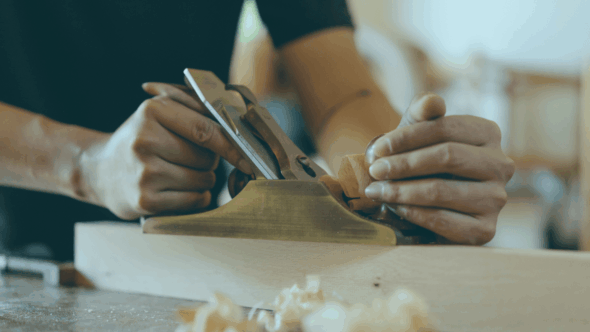
Patents for Woodworking Tools and Processes
From simple tools to complex machinery, woodworking patents have sparked a wave of ingenuity that has propelled the craft forward.

From simple tools to complex machinery, woodworking patents have sparked a wave of ingenuity that has propelled the craft forward.

When a patent application includes claims to more than one invention, the USPTO may issue a restriction requirement — essentially telling the applicant to choose one invention to pursue in that application.

The journey to an approved patent can be challenging, and rejections are unfortunately common. While many can be resolved through amendments or arguments, sometimes agreement simply can’t be reached. When that happens, applicants have the right to appeal.

Understanding the difference between these two types of intellectual property helps creators, entrepreneurs, and businesses secure the right protection.

These powerful tools can legally safeguard the design elements that make your product stand out. But getting this type of protection isn’t always straightforward.

While the patent drafting process can be overwhelming on your own, the experienced IP team at Larson & Larson can guide you through these core steps to give your invention the strongest possible protection.

Intellectual property (IP) is often a startup’s most valuable asset, and patent attorneys play a key role in helping founders safeguard it from the start.

Third-party pre-issuance submissions give competitors and innovators a way to challenge pending patents with prior art before they are granted.

The now-suspended Rocket Docket program through the USPTO was a cost-effective way to obtain design patent protection quickly and begin enforcing against infringers sooner.
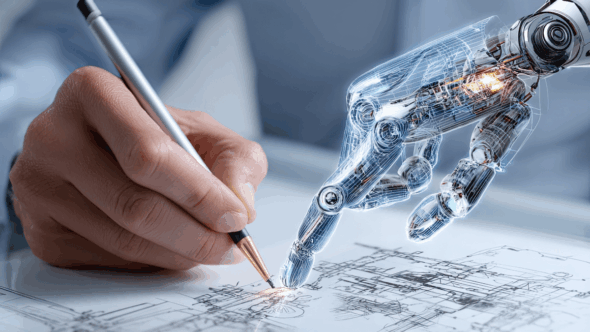
AI is changing the way we invent, but under U.S. patent law only humans can be listed as inventors. Here’s what innovators need to know.